Stories shape how we see the world, and how we see each other. From film and television to books, podcasts, and digital media, the narratives we encounter influence our understanding of identity, history, and belonging. When certain voices are consistently excluded or misrepresented, the result is detrimental to storytelling and to understanding.
Representation in media matters because it affirms lived experience. For marginalized communities, seeing their stories reflected accurately and respectfully can be validating. It signals that their histories, cultures, and perspectives are worthy of attention and care. Without that representation, entire groups of people can feel invisible, or worse, defined by incomplete or harmful narratives created by others.
When stories are told with nuance, they move beyond stereotypes and allow audiences to engage with real people, real complexities, and real experiences. This kind of storytelling builds empathy. It helps audiences recognize shared humanity across differences and challenges assumptions that often go unexamined.
The absence of representation also has broader cultural consequences. When only a narrow range of stories is told, our collective understanding of history and society becomes limited. We miss out on the richness of diverse perspectives, and we risk reinforcing systems that silence or overlook important voices. In contrast, when more stories are included, the cultural narrative becomes more accurate, more inclusive, and more reflective of the world as it truly is.
At Blue Ridge Collaborative, this belief is central to everything we do. We exist to bring untold stories to light, partnering with creators, organizations, and communities to ensure their narratives are shared with intention and impact. We start with the story, then determine the most effective way to bring it to the world.
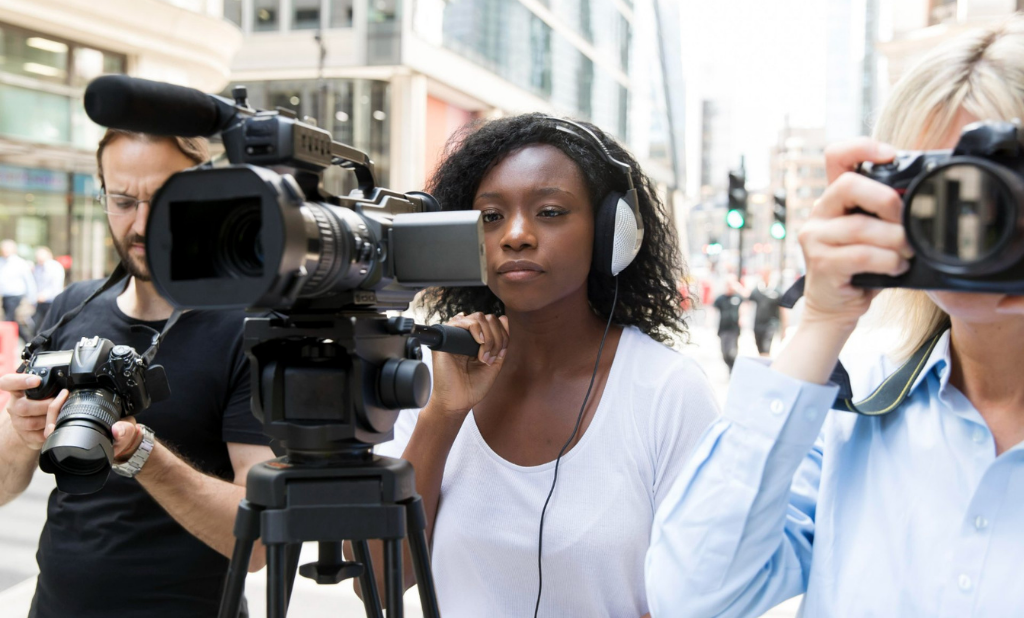
That might mean producing a documentary film that captures lived experience, developing a podcast that makes complex topics accessible, publishing a book that preserves community knowledge, or creating an exhibit that invites public engagement. Our work spans multiple mediums because every story deserves the format that serves it best.
Just as importantly, we approach every project with a commitment to authenticity, working closely with the people whose stories are being told to ensure they are represented with dignity and care.
Representation is not a trend or a checkbox. It’s a responsibility. The stories we choose to tell (and how we tell them) have the power to shape culture, influence understanding, and inspire change. When we expand representation in media, we expand the possibilities for connection, empathy, and progress.
If you have a story that deserves to be told, or a project that could help create a more inclusive and representative media landscape, we’d love to work with you. Reach out to us at info@blueridgecollaborative.org or connect through the contact form on our website.

.png)